
Solar Pillar Light Supplier Guide: Finding Quality Outdoor Illumination
2026-08-08
Outdoor lighting can make or break your property's nighttime charm, but sourcing reliable solar pillar lights often feels like navigating a maze of mediocre options. Whether you're a contractor, landscaper, or homeowner, the quest for quality illumination that actually lasts is real. This guide cuts through the noise, spotlighting what to look for—and why SRS consistently rises above the crowd. Ready to light up your space the right way?
Spotting the Right Supplier: Beyond the Basics
Finding a supplier who merely ticks the boxes on price and specs is just the starting point. The real differentiators often lie in the intangibles: their communication rhythm, how they navigate unexpected snags, and whether they proactively suggest improvements rather than waiting for instructions. Paying attention early to how they handle small misunderstandings or delays reveals far more about a long-term partnership than a polished sales pitch ever could.
Another overlooked layer is cultural and operational alignment. A supplier might be technically proficient but clash with your team’s working style, leading to friction that erodes margins over time. Take time to understand their typical work cadence, holiday schedules, and even their approach to intellectual property. Visit them if possible, not just their showroom but their actual production floor—observe how their staff interact and whether their organization feels resilient or perpetually chaotic.
Finally, explore their ecosystem. A truly reliable supplier often has deep ties with logistics partners, secondary material sources, and local regulatory bodies. These connections aren’t flashy, but they become a buffer when supply chains tighten. Asking “who else do you rely on?” and “what happens when plan A fails?” can uncover whether a supplier has the network and agility to keep promises when conditions get tough, not just when everything runs smoothly.
Material Matters: Durability That Lasts Outdoors
When you're investing in outdoor products, the first thing that separates a fleeting purchase from a lasting one is the material. It's easy to get swept up by sleek designs or tempting price tags, but what really counts is how the fabric, metal, or composite holds up against sun, rain, wind, and time. We've seen too many items fade, warp, or weaken after a single season, so we obsess over the science of endurance. From UV-resistant coatings that don't crack to rust-proof alloys that shrug off humidity, every detail is chosen so your gear stays as functional as it is good-looking, year after year.
Outdoors, durability isn't just about strength—it's about smart engineering. Take the stitching: reinforced seams that won't unravel under tension. Or the zippers, tested to glide smoothly even after hundreds of cycles with sand and salt in the mix. We don't stop at industry standards; we push materials to their limits in real-world conditions, because a sunny Tuesday in the backyard is a world apart from a weeklong trip where the wind never lets up. The result is equipment that feels broken-in but never broken-down, softening just enough to become yours while keeping its backbone intact.
Brightness and Efficiency: Decoding Lumens and Solar Panels
When you spot a solar light labeled with a certain number of lumens, you’re seeing a measure of the total visible light it produces. But that figure doesn’t tell the whole story—how efficiently the panel converts sunlight into stored energy is what really determines how long and how brightly that light will shine. A panel’s efficiency isn’t just about its wattage; it’s about how well it gathers scattered daylight, even under overcast skies, and turns it into usable power for the LEDs.
Think of lumens as the end result, but panel efficiency as the engine behind it. A high-quality, efficient panel can charge the battery faster and more completely, which means the light can sustain its listed brightness for hours without a dimming lag. Cheaper setups often skimp on panel quality, leading to a mismatch—the specs might claim 800 lumens, but if the panel can’t refill the battery by dusk, you’re left with a fraction of that output after an hour.
Finding the right balance comes down to matching your real-world needs. A motion-sensor security light might only need brief bursts of high lumens, so a smaller efficient panel suffices. For all-night pathway lighting, you want a larger panel area and a battery sized to ride through cloudy days—without obsessing over raw lumen numbers alone. The smoothest setups are those where the panel’s harvesting ability quietly supports the light’s promise, night after night.
Design That Fits: Matching Lights to Your Landscape
Lighting isn't just about brightness—it's about creating a mood that echoes the personality of your outdoor space. A sleek, modern garden thrives with clean-lined fixtures and cool white tones, while a cottage-style yard feels more inviting with warm, lantern-inspired glows. The key is to let the landscape’s natural shapes guide your choices: a path lined with low, subtle bollards can feel like a whispered invitation, whereas uplighting a twisted oak transforms it into a dramatic nighttime sculpture.
Think in layers, much like you would indoors. Start with a functional base—enough light to navigate steps and edges safely—then weave in accent lights that highlight textures or focal points, such as a textured stone wall or a cluster of ornamental grasses. Avoid the temptation to match every fixture; mixing finishes like aged brass with dark bronze can add depth without competing with the surroundings. And always test placements at dusk, because shadows shift in ways you won't notice on paper.
The right light doesn't shout—it settles into the landscape as if it's always been there. Let the terrain itself suggest beam angles: a narrow beam for tall, slender trees, a wider wash for sprawling ground covers. If you have water features, consider how light dances on moving surfaces, and resist over-lighting, which flattens the natural mystery of the night. Sometimes, leaving a patch of darkness is just as intentional as placing a fixture, giving the space room to breathe.
Weatherproofing Essentials: Built for Rain, Wind, and Sun
When the skies open up, a structure’s real test begins. Rain shouldn't just slide off—it needs to be guided away quickly and reliably. Overhangs, properly angled roofs, and tightly sealed joints work together so water never lingers where it can cause damage. Integrated gutters and downspouts become almost invisible design features, channeling moisture into drains or collection tanks without interrupting the clean lines of the build. Every seam, from window frames to door thresholds, gets special attention, with layered barriers and weep systems that let any stray droplets escape harmlessly.
Strong winds bring a different kind of challenge, pressing against walls and trying to lift roofs. Here, the shape of a building does a lot of the heavy lifting. Slightly curved or sloping facades redirect gusts, while sturdy frame connections create a continuous load path from roofline to foundation. Impact-resistant panels and laminated glass add a quiet sense of security—they might flex a little but won't shatter under flying debris. It’s the small details that matter, like strapping the roof trusses down tightly and reinforcing garage doors, which are often the weakest point in a storm.
Sun exposure is the silent force that fades paints, warps wood, and turns pleasant spaces into unbearable hotboxes. Protection here is all about layering and smart material choices. Deep eaves cast cooling shadows during the hottest part of the day without blocking lower winter sun. Surfaces treated with heat-reflective pigments bounce back a surprising amount of solar energy, keeping walls and seating areas cool to the touch. Ventilation paths tucked behind the outer skin allow built-up heat to escape naturally, so you rarely need constant air conditioning even on bright, still afternoons.
Long-Term Value: Maintenance and Warranty Insights
Many overlook the true long-term cost until the first major repair hits. A well-documented maintenance record isn't just a log—it's a bargaining chip when resale time rolls around. Buyers lean heavily toward machines with clear oil-change intervals, part replacements, and seasonal tune-ups. Those records speak louder than any glossy sales pitch, silently proving the machine was treated as an investment, not an afterthought.
Warranty coverage varies wildly, and the fine print often hides the real story. It's easy to assume bumper-to-bumper protection, only to discover that common wear items or certain drive-train components are excluded after a specific hour count. Spend time comparing not just the duration, but also what triggers voiding. Some policies become worthless if you miss a single scheduled service at an unauthorized shop. Understanding these nuances upfront prevents a nasty surprise when you finally need to file a claim.
Extended plans can be tempting, but they aren't always the safety net they appear to be. A better strategy is to stash the premium equivalent in a separate fund, building your own backup. Paired with a habit of immediate small fixes—tightening a loose belt, replacing a cracked hose—you sidestep the chain reaction failures that drain bank accounts. In the end, the machines that last decades aren't necessarily the most expensive ones; they're the ones where maintenance was never a gamble.
FAQ
Go beyond just price. A dependable supplier offers clear specs, material details, and responsive support. Check if they provide warranties, test reports for waterproofing and battery life, and can handle custom requests. A supplier who asks about your local climate and installation needs is a good sign.
Request a sample and test it yourself over a few days. Pay attention to brightness consistency, light color temperature, and how it transitions from dusk to dawn. Check the build—seams should be sealed, the solar panel encased without gaps, and the on/off switch accessible yet protected from moisture.
Aluminum and marine-grade stainless steel resist rust and corrosion. For the lens, look for tempered glass or UV-stabilized polycarbonate—they won't yellow or crack easily. Avoid cheap plastics that become brittle after one season of direct sun.
Absolutely. A higher mAh rating means longer hours after dark. But also check if the battery is replaceable and what type—LiFePO4 batteries last longer and handle temperature swings better than standard Li-ion or NiMH options.
They will, but runtime may be shorter. Quality lights use efficient monocrystalline panels that capture diffuse light, and some have low-power modes for cloudy stretches. To maximize performance, keep the panel clean and avoid shaded installation spots.
With aluminum housing and replaceable parts, you can expect 5 to 7 years. The battery might need swapping after 2 to 4 years depending on usage. LED bulbs themselves can last a decade, but the light sensor or circuit board may fail sooner if not properly sealed.
Most are DIY-friendly. They come with mounting plates or stakes and require no wiring. The trick is getting the pillar plumb and ensuring the panel gets direct sun. On hard surfaces, you might need to drill anchors, but many people finish a set in under an hour.
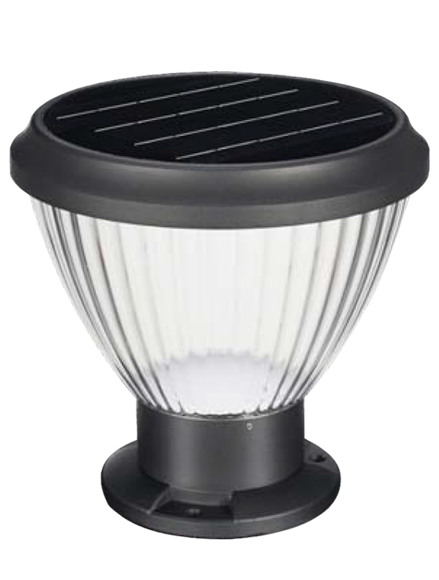
Definitely. A clear ribbed lens throws more downward light for pathways, while a frosted top delivers a softer, decorative glow. Darker housing finishes absorb heat, which can help in cold climates but may overheat internals in hot regions. Pay attention to the light pattern shown in product photos.
Conclusion
Finding the right solar pillar lights means looking beyond just a supplier’s catalog. It starts with checking if the manufacturer has a track record of consistent quality, transparent sourcing, and responsive support. The materials used directly shape how the lights handle daily stress and seasonal extremes—cast aluminum and marine-grade stainless steel outperform cheaper plastics that crack or fade. Then comes performance: a lumens rating suited to the pillar’s height and a high-efficiency monocrystalline panel ensures reliable brightness without wasting stored energy; look for lights that balance output with smart battery management.
Design shouldn’t be an afterthought. The fixture needs to complement your hardscaping—whether sleek modern bollards or classic lantern styles—and the light temperature should create the ambiance you want. Since these lights live outdoors, look beyond a basic IP65 label; ask about UV-stabilized coatings, sealed and gasketed battery compartments, and real temperature tolerance tests. That investment pays off when you also consider long-term care: a generous warranty (at least two years, ideally covering the battery) and easily replaceable parts mean fewer headaches. Ultimately, the right supplier offers a combination of durable construction, clever design, and solid after-sales support that keeps your pillars glowing reliably.
Contact Us
Contact Person: kitty
Email: [email protected]
Tel/WhatsApp: +8618676039824
Website: https://www.srssolargroup.com/