

How Do Floor Lamps Improve Lighting and Comfort in Modern Living Spaces?
2026-03-12
Article Summary
Floor lamps are one of the most versatile lighting solutions used in homes, offices, and hospitality spaces. They provide targeted illumination, enhance interior aesthetics, and offer flexible placement without complex installation. This article explains how floor lamps function, how they improve lighting environments, what features to consider when selecting one, and why they remain an essential element of modern interior lighting design. Practical guidance is provided to help buyers choose the right model based on room size, lighting requirements, and design preferences.
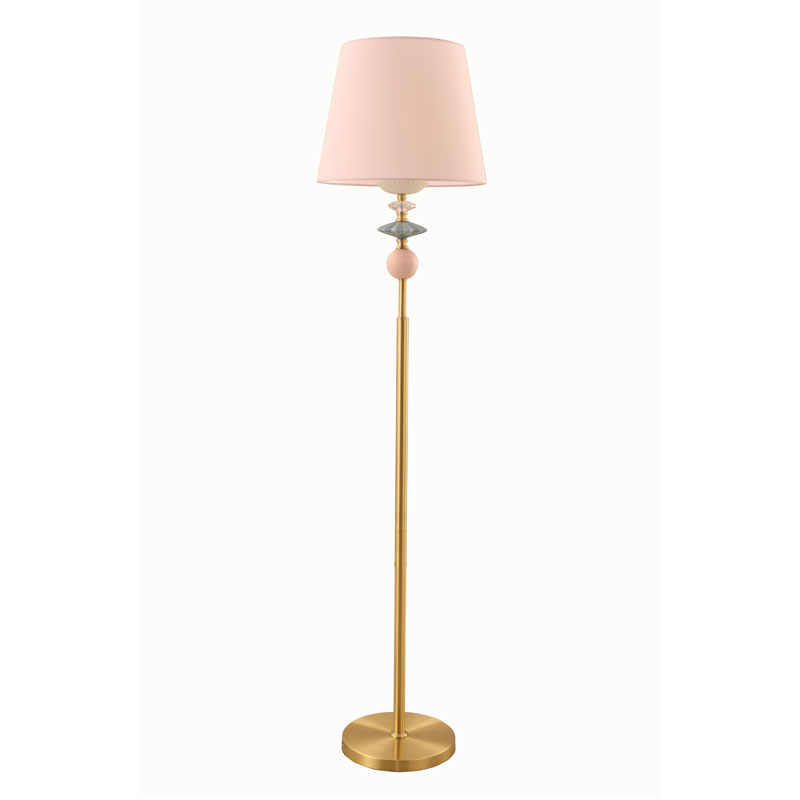
Table of Contents
- How Do Floor Lamps Work?
- Why Floor Lamps Are Important in Interior Lighting
- Types of Floor Lamps and Their Applications
- Key Features to Evaluate When Choosing Floor Lamps
- Common Customer Pain Points and Practical Solutions
- Product Specification Overview
- Installation and Placement Tips
- Frequently Asked Questions
- Conclusion
How Do Floor Lamps Work?
Floor lamps are standalone lighting fixtures designed to provide ambient, task, or accent lighting. Unlike ceiling lights that require permanent installation, floor lamps operate through a simple electrical system consisting of a power cord, switch, lamp holder, and light source.
When connected to a power outlet, electricity flows through the internal wiring to the bulb socket. Once the switch is activated, the bulb illuminates and distributes light through the lampshade or reflector. The shade controls brightness, diffusion, and direction of the light.
Modern floor lamps frequently support various bulb technologies including LED, incandescent, or smart lighting systems. LED technology is especially popular because it offers longer lifespan, lower energy consumption, and stable brightness.
Manufacturers such as Strong Lighting design floor lamps with balanced bases, durable metal frames, and optimized shade structures to ensure stability and effective light distribution.
Why Floor Lamps Are Important in Interior Lighting
Many living spaces rely solely on ceiling fixtures, which often create uneven lighting and harsh shadows. Floor lamps solve this problem by introducing layered illumination that improves both functionality and comfort.
Key advantages include:
- Flexible placement – Can be positioned beside sofas, reading chairs, or desks.
- No installation required – Simply plug into an outlet.
- Decorative value – Available in modern, minimalist, vintage, or industrial designs.
- Targeted lighting – Perfect for reading, working, or relaxing.
- Space enhancement – Adds depth and visual balance to room layouts.
Interior designers frequently use floor lamps to highlight architectural features or create warm ambient lighting zones within large rooms.
Types of Floor Lamps and Their Applications
Different environments require different lighting characteristics. Floor lamps are designed in various configurations to meet specific usage scenarios.
| Type | Description | Typical Application |
| Torchiere Floor Lamp | Directs light upward toward the ceiling for soft ambient illumination. | Living rooms, bedrooms, lounge areas |
| Arc Floor Lamp | Features a curved arm extending over furniture. | Sofas, reading corners, conversation areas |
| Task Floor Lamp | Provides focused directional light. | Reading, studying, office spaces |
| Tripod Floor Lamp | Three-legged base with decorative shade. | Modern interior decoration |
| Shelf Floor Lamp | Combines lighting with storage shelves. | Small apartments or multifunction spaces |
Selecting the right lamp style depends on both lighting needs and interior design goals.
Key Features to Evaluate When Choosing Floor Lamps
Consumers often face difficulties when selecting lighting fixtures due to the wide range of available designs. Understanding several core features can simplify the purchasing process.
Important evaluation factors include:
- Lighting output – Measured in lumens; determines brightness.
- Height and reach – Affects coverage area and visual balance.
- Base stability – Prevents tipping and improves safety.
- Material quality – Metal, wood, and reinforced plastic are common choices.
- Lampshade design – Influences light diffusion and glare control.
- Energy efficiency – LED-compatible models reduce electricity consumption.
Reliable manufacturers such as Strong Lighting integrate these features into their product designs to deliver stable performance and aesthetic appeal.
Common Customer Pain Points and Practical Solutions
Many buyers experience challenges when integrating floor lamps into their home environment. Addressing these concerns helps ensure better lighting outcomes.
Problem 1: Insufficient brightness
- Solution: Choose higher lumen LED bulbs or adjustable brightness models.
Problem 2: Lamp tipping over easily
- Solution: Select lamps with weighted metal bases.
Problem 3: Lighting glare during reading
- Solution: Use directional shades or adjustable heads.
Problem 4: Poor room integration
- Solution: Match lamp style with interior décor themes.
Understanding these factors helps customers avoid common purchasing mistakes and achieve a comfortable lighting environment.
Product Specification Overview
Below is a typical configuration range for modern floor lamps used in residential and commercial environments.
| Product Category | Floor Lamp |
| Height Range | 150 cm – 180 cm |
| Material | Metal / Aluminum / Fabric Shade |
| Light Source | LED / E27 Bulb Compatible |
| Power Range | 8W – 15W LED |
| Color Temperature | 2700K – 6500K |
| Control Type | Foot Switch / Inline Switch |
| Application | Living Room, Bedroom, Study, Office |
Installation and Placement Tips
Although floor lamps are easy to install, proper placement significantly affects lighting quality and visual comfort.
Recommended placement strategies:
- Position beside seating areas for reading illumination.
- Place behind sofas to create ambient background lighting.
- Install near corners to brighten dark zones.
- Use arc lamps above coffee tables for balanced overhead light.
- Avoid placing lamps directly in walking paths.
Strategic positioning improves light distribution while maintaining a clean and organized interior layout.
Frequently Asked Questions
Q1: What bulb type is best for floor lamps?
LED bulbs are typically the best choice because they provide high brightness, long lifespan, and energy efficiency. They also produce less heat compared with traditional bulbs.
Q2: Are floor lamps suitable for small apartments?
Yes. Slim or tripod floor lamps occupy minimal floor space while still providing effective lighting. Shelf-style lamps are especially useful in compact living areas.
Q3: How tall should a floor lamp be?
Most floor lamps range between 150 cm and 180 cm in height. This height allows light to spread effectively across seating and reading areas.
Q4: Can floor lamps replace ceiling lights?
Floor lamps can supplement ceiling lights but are usually best used as part of a layered lighting design that includes ambient, task, and accent lighting.
Conclusion
Floor lamps provide a flexible and visually appealing lighting solution for modern interiors. Their easy installation, adjustable lighting capability, and decorative value make them ideal for residential and commercial environments alike. By understanding lamp types, technical specifications, and placement strategies, buyers can select the right lighting solution that enhances both comfort and design.
Strong Lighting focuses on developing high-quality lighting products designed for durability, functionality, and elegant interior integration. Whether for living rooms, offices, or hospitality spaces, the right floor lamp can significantly improve lighting quality and spatial atmosphere.
If you are looking for reliable and stylish floor lamps for your projects or retail needs, explore the available product range and find the solution that best fits your requirements. For product details, customization options, or wholesale inquiries, contact us today and our team will be ready to assist you.