
How Does Thermal Imaging Improve Safety and Efficiency?
2026-01-16
Summary
Thermal imaging technology has become a vital tool in industries ranging from security and firefighting to electrical maintenance and outdoor navigation. By converting heat signatures into visible images, thermal cameras help professionals detect hazards, improve efficiency, and make informed decisions. This article explores the features, applications, benefits, and common questions surrounding thermal imaging solutions, helping businesses and individuals choose the right equipment for their needs.
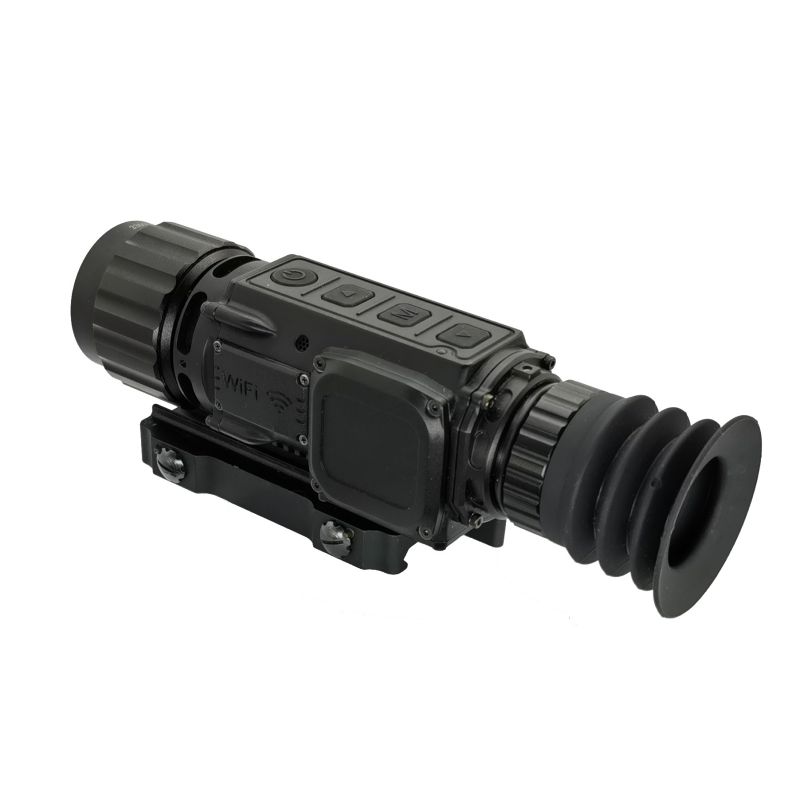
Table of Contents
What is Thermal Imaging?
Thermal imaging is a technology that captures infrared radiation emitted by objects and converts it into a visible image called a thermogram. Unlike traditional cameras, thermal imaging does not rely on visible light, allowing users to see in complete darkness, through smoke, fog, or other obscurants. Modern thermal devices often combine infrared imaging with digital enhancements, laser rangefinding, and visible light overlays for enhanced situational awareness.
Key Features of Thermal Imaging Devices
- Infrared Sensor Resolution: Determines image clarity. Common resolutions range from 320×240 to 640×512 pixels.
- Temperature Detection Range: Measures heat variations from -20°C to 1500°C depending on device type.
- Lens Options: Fixed or zoom lenses with varying focal lengths enhance distance observation capabilities.
- Multi-functional Integration: Some devices include laser rangefinders, digital compasses, or visible light cameras for hybrid imaging.
- Portability: Handheld, monocular, binocular, or mounted thermal scopes for flexible use scenarios.
- Durability: Rugged design with waterproof, dustproof, and shock-resistant features for field operations.
Applications Across Industries
Thermal imaging technology is widely applied across different industries to enhance safety, efficiency, and decision-making.
Security and Surveillance
Infrared cameras detect intruders in low-light environments, monitor perimeters, and support law enforcement operations without alerting targets.
Industrial Maintenance
Technicians use thermal cameras to detect overheating equipment, electrical faults, and insulation problems, reducing downtime and preventing costly accidents.
Firefighting and Rescue
Firefighters rely on thermal imaging to locate individuals in smoke-filled areas, identify hotspots, and navigate hazardous environments safely.
Outdoor Navigation and Wildlife Observation
Hunters, wildlife researchers, and outdoor enthusiasts use thermal imaging for tracking and observing animals in complete darkness or dense foliage.
Benefits for Safety and Efficiency
- Enhanced Visibility: Detect objects and hazards that are invisible to the naked eye.
- Time Savings: Quick identification of issues reduces inspection and operational time.
- Cost Reduction: Early detection of equipment failure prevents expensive repairs.
- Improved Decision-Making: Provides actionable data for safer and more efficient operations.
- Versatility: Suitable for multiple environments such as industrial, military, and outdoor settings.
Device Comparison Table
| Device Type | Resolution | Range | Key Features |
|---|---|---|---|
| Handheld Thermal Monocular | 320×240 | 500 m | Lightweight, portable, basic thermal detection |
| Handheld Thermal Binocular | 640×512 | 1 km | Dual-eye viewing, integrated laser rangefinder, high-resolution display |
| Thermal Riflescope | 640×512 | 2 km | Long-range targeting, reticle overlay, adjustable zoom |
| Multi-spectral Night Vision | 640×512 + visible light | 3 km | Infrared + visible light + digital compass, advanced data collection |
Frequently Asked Questions
Q1: Can thermal imaging work in total darkness?
A1: Yes, thermal imaging detects heat signatures, not visible light, making it effective in complete darkness, fog, or smoke.
Q2: How far can thermal cameras detect objects?
A2: Detection range varies by device type and lens; handheld monoculars may detect up to 500 m, while riflescopes or multi-spectral binoculars can reach several kilometers.
Q3: Do thermal imaging devices require calibration?
A3: Most modern thermal devices come factory-calibrated. Routine maintenance checks are recommended for accuracy, especially in extreme conditions.
Q4: Are thermal cameras useful outdoors?
A4: Absolutely. Thermal imaging is widely used for wildlife monitoring, security patrols, and outdoor navigation, providing clear images in darkness or obscured environments.
Conclusion and Contact
Thermal imaging technology offers significant advantages in safety, efficiency, and operational decision-making across multiple industries. Advanced devices from Shenzhen Jioptics Technology Co., Ltd provide high-resolution infrared imaging, multi-spectral functionality, and rugged designs suitable for professional use. Explore their thermal imaging solutions for improved monitoring, rapid detection, and reliable performance.
To learn more or request a quote, contact us today and enhance your operational capabilities with state-of-the-art thermal imaging technology.