

How to Choose and Install Wall Sconces for Functional and Aesthetic Lighting?
2026-03-18
Article Summary
Wall sconces are a versatile lighting solution that combines functionality with decorative appeal. Whether used for ambient lighting, task illumination, or accent design, selecting the right wall sconces can significantly enhance interior spaces. This guide provides a structured approach to understanding different types, installation techniques, and key considerations, helping users avoid common mistakes and make informed decisions.
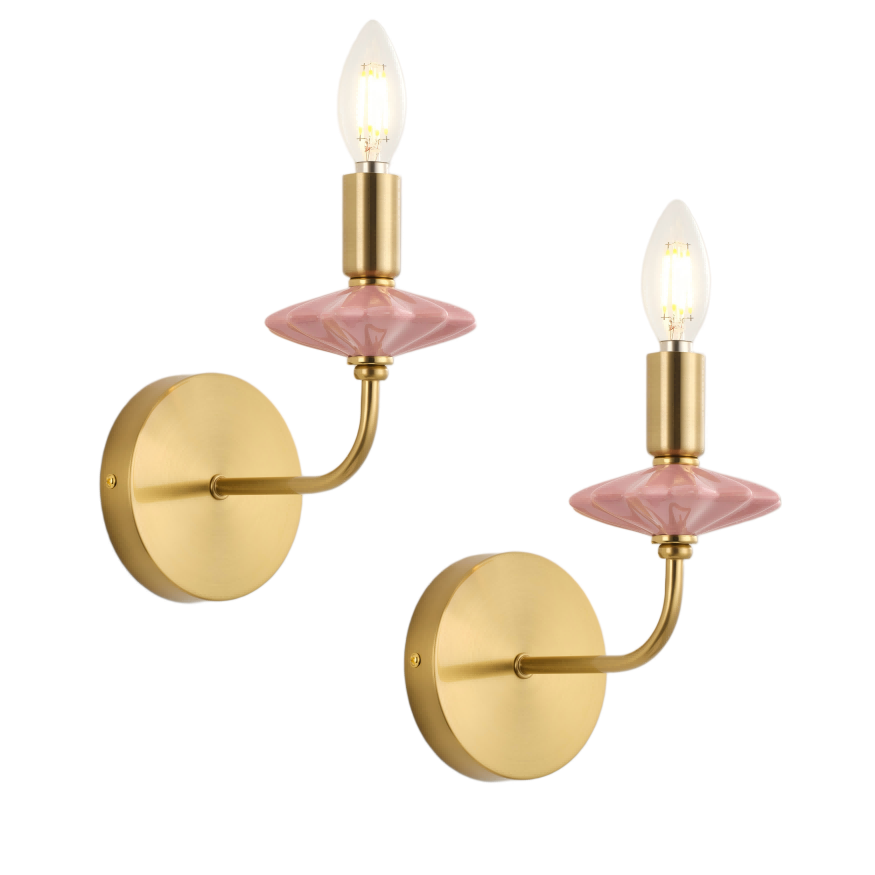
Table of Contents
1. What Are Wall Sconces?
2. Key Benefits of Wall Sconces
3. Types of Wall Sconces
4. How to Choose the Right Wall Sconces
5. Installation Guidelines
6. Common Mistakes to Avoid
7. Product Parameters Overview
8. Frequently Asked Questions
9. Conclusion
1. What Are Wall Sconces?
Wall sconces are wall-mounted lighting fixtures designed to provide illumination without occupying floor or table space. They are widely used in residential, commercial, and hospitality environments to deliver layered lighting solutions.
Unlike ceiling fixtures, sconces offer targeted lighting and can be positioned strategically to highlight architectural features, artwork, or pathways.
2. Key Benefits of Wall Sconces
- Space-saving design: Ideal for compact areas such as hallways and bathrooms.
- Enhanced ambiance: Creates warm and inviting lighting effects.
- Versatility: Suitable for bedrooms, living rooms, corridors, and outdoor spaces.
- Layered lighting: Complements overhead and task lighting systems.
- Decorative value: Acts as both a lighting fixture and a design element.
3. Types of Wall Sconces
3.1 Ambient Wall Sconces
These provide general illumination and are often used in pairs to create balanced lighting across a room.
3.2 Task Wall Sconces
Designed for functional lighting, commonly installed beside mirrors or beds for reading or grooming.
3.3 Accent Wall Sconces
Used to highlight artwork, textures, or architectural details, adding depth and visual interest.
3.4 Outdoor Wall Sconces
Engineered for durability, these fixtures are weather-resistant and enhance exterior security and aesthetics.
4. How to Choose the Right Wall Sconces
4.1 Determine the Purpose
Identify whether the sconce will serve as ambient, task, or accent lighting. This determines brightness, beam angle, and placement.
4.2 Consider Room Size and Layout
- Small rooms benefit from compact designs
- Large spaces may require multiple sconces
- Symmetry is key for visual balance
4.3 Select the Right Style
Match the fixture with the interior design theme:
- Modern: clean lines, metallic finishes
- Classic: ornate details, warm tones
- Industrial: exposed bulbs, matte finishes
4.4 Evaluate Light Output
Brightness should align with the intended use. For example:
- Reading areas: higher lumen output
- Ambient lighting: softer illumination
4.5 Material and Finish
Durability and aesthetics depend on materials such as aluminum, glass, brass, or stainless steel.
5. Installation Guidelines
5.1 Ideal Mounting Height
- General rule: 60–72 inches from the floor
- Bedside sconces: slightly above shoulder height when seated
5.2 Spacing Between Fixtures
Maintain consistent spacing for symmetry, typically 6–8 feet apart depending on room size.
5.3 Wiring Considerations
- Hardwired sconces require professional installation
- Plug-in models offer flexibility without complex wiring
5.4 Safety Precautions
- Turn off power before installation
- Ensure proper grounding
- Use certified components
6. Common Mistakes to Avoid
- Installing sconces too high or too low
- Choosing incorrect brightness levels
- Ignoring room proportions
- Overlooking style consistency
- Improper spacing leading to uneven lighting
7. Product Parameters Overview
| Parameter | Description |
| Material | Aluminum, iron, glass, stainless steel |
| Voltage | 110V / 220V |
| Light Source | LED / Halogen / Incandescent |
| Power Range | 5W – 40W |
| Color Temperature | 2700K – 6500K |
| Installation Type | Hardwired / Plug-in |
| Application | Indoor / Outdoor |
| IP Rating | IP20 – IP65 |
8. Frequently Asked Questions
Q1: Where should wall sconces be placed?
Wall sconces are typically installed along hallways, beside mirrors, next to beds, or near artwork. Placement depends on the intended lighting function.
Q2: Are LED wall sconces better than traditional bulbs?
LED sconces are more energy-efficient, have a longer lifespan, and produce less heat compared to traditional lighting options.
Q3: Can wall sconces be used as the main light source?
While they can contribute significantly to room lighting, sconces are usually combined with ceiling fixtures for optimal illumination.
Q4: How many wall sconces are needed in a room?
The number depends on room size, layout, and brightness requirements. Symmetrical placement is generally recommended.
9. Conclusion
Wall sconces are a practical and stylish lighting solution that enhances both functionality and aesthetics. By understanding their types, applications, and installation techniques, users can achieve a well-balanced lighting design tailored to specific needs.
Strong Lighting offers a wide range of wall sconces designed to meet diverse architectural and decorative requirements. With a focus on quality, durability, and modern design, the product lineup supports both residential and commercial applications.
For tailored solutions and detailed product information, contact us today to explore how the right wall sconces can transform your space efficiently and elegantly.