

How to Install Linear Pendant Light Without Hassle
2025-11-05
When I first started working with Dadi, I realized how many customers love the clean, modern look of Linear Pendant Lighting, yet often worry about installation being complicated. The truth is, with the right steps and some simple tools, anyone can achieve a professional result. In this guide, I’ll share our practical method for installing linear pendant lights safely and neatly — just like we do for our clients.
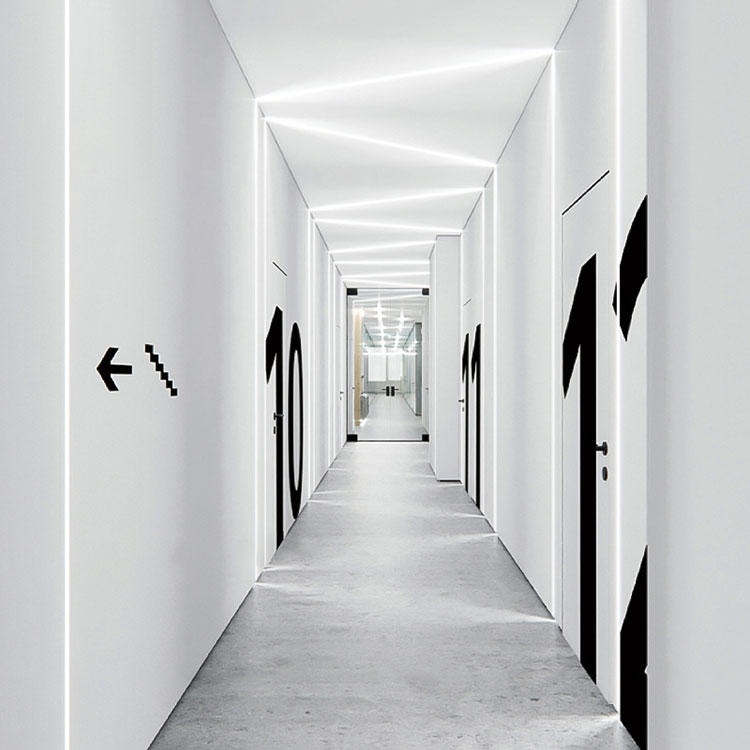
What Makes Linear Pendant Lighting the Ideal Choice for Modern Spaces
Before installing, it’s worth understanding why so many homeowners and designers choose linear pendant lighting. It’s not just about illumination — it’s about design, energy efficiency, and visual balance.
Here’s what makes Dadi Linear Pendant Lights stand out:
| Feature | Specification |
|---|---|
| Material | Aluminum housing with PMMA diffuser |
| Light Source | SMD LED chips (high CRI, low glare) |
| Power | 20W / 40W / 60W optional |
| Input Voltage | AC100-240V 50/60Hz |
| CCT Options | 3000K / 4000K / 6000K |
| Dimming | 0-10V / DALI / Triac |
| Installation | Suspended / Surface mounted |
| Lifespan | 50,000 hours |
| Warranty | 3-5 years |
Our Dadi factory ensures each light goes through strict quality testing — brightness uniformity, heat dissipation, and surface coating durability — so the product lasts for years without fading or flickering.
What Tools and Materials Do You Need Before Installation
Preparation makes everything smoother. Based on my experience, here’s what you’ll need:
-
Measuring tape
-
Power drill
-
Screwdriver
-
Mounting brackets (included with Dadi lights)
-
Anchors and screws
-
Electrical connectors or terminal blocks
-
Ladder and safety gloves
Pro tip: Always turn off the main power supply before starting any electrical installation.
How Do You Measure and Mark the Mounting Points Accurately
Getting the alignment right is crucial for both aesthetics and safety. I always start by:
-
Measuring the ceiling area and marking the exact suspension points.
-
Ensuring the pendant will hang evenly — use a spirit level for accuracy.
-
Adjusting spacing if multiple linear pendants are used in a row, keeping a uniform gap of around 30–40cm for best lighting balance.
These small steps ensure your lighting layout looks professional and symmetrical.
How Do You Install the Linear Pendant Light Step by Step
Here’s our standard installation method for Dadi Linear Pendant Lights:
-
Fix the Mounting Bracket: Drill holes in your marked points and install the suspension brackets using screws and anchors.
-
Connect the Wires: Match Live (L), Neutral (N), and Ground (E) correctly. Double-check the voltage compatibility.
-
Attach the Fixture: Hook the light body onto the suspension wires and adjust the height to your desired level.
-
Secure the Canopy: Once the height is set, tighten the screws on the ceiling canopy to lock the fixture in place.
-
Power On and Test: Turn the power back on and check illumination uniformity and dimming function (if applicable).
What Common Mistakes Should You Avoid During Installation
From years of onsite experience, I’ve seen a few repeat errors:
-
Hanging the fixture before ensuring the wiring is secure.
-
Forgetting to balance the suspension cables evenly.
-
Using the wrong ceiling anchors for heavy fixtures.
-
Ignoring the driver compatibility (especially for dimmable versions).
Avoiding these mistakes can save hours of frustration and ensure both safety and performance.
How Can You Maintain Linear Pendant Lighting for Long-Term Performance
Maintenance is often overlooked, but it’s essential. Every three to six months:
-
Wipe the diffuser gently with a microfiber cloth.
-
Check the cable tension and bracket stability.
-
Inspect connectors for any loose wiring.
With proper care, a Dadi Linear Pendant Light can easily serve you for over a decade.
Ready to Upgrade Your Space with Dadi Linear Pendant Lighting
If you’re planning to enhance your home, office, or commercial project with high-quality Linear Pendant Lighting, we’d love to help. At Dadi, we don’t just manufacture — we support customers through design, installation, and after-sales service.
Have questions or want to get a customized lighting solution?
👉 Contact us today to get professional guidance or request a quotation. Let’s make your lighting project brighter, smarter, and easier together.