

What Makes HMI TFT LCD Display an Ideal Choice for Industrial Interfaces?
2026-01-19
Summary: HMI TFT LCD displays have become a cornerstone of modern industrial control systems. They provide high-quality visuals, responsive touch capabilities, and customizable interfaces that enhance user experience and operational efficiency. This article explores their advantages, technical specifications, applications, and addresses common customer questions.
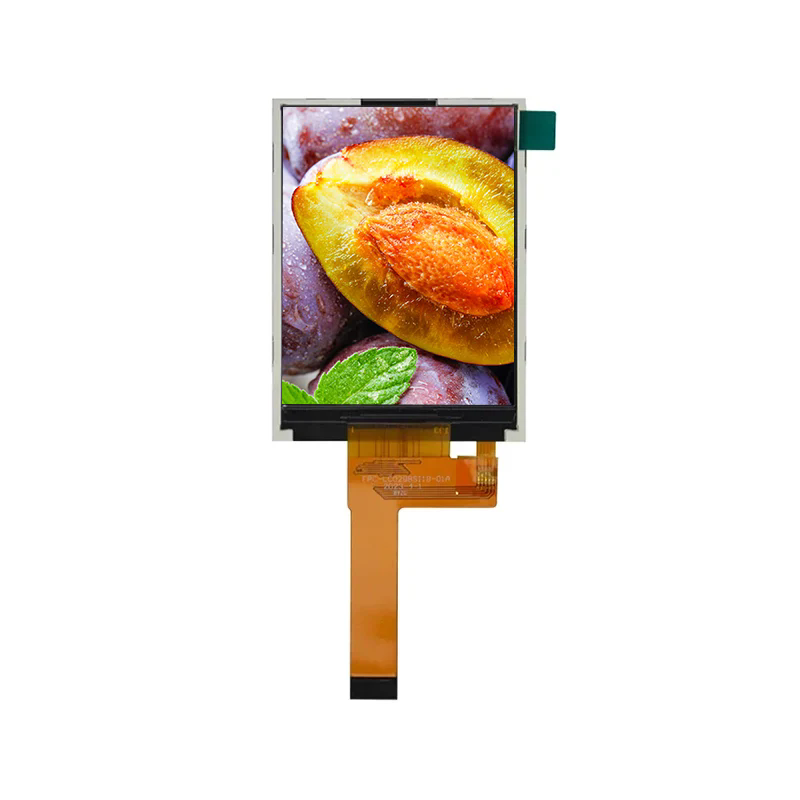
Table of Contents
- Introduction to HMI TFT LCD Displays
- Key Features and Benefits
- Technical Specifications
- Applications in Industrial Environments
- FAQs about HMI TFT LCD Displays
- Conclusion
Introduction to HMI TFT LCD Displays
HMI (Human-Machine Interface) TFT LCD displays combine the clarity of Thin-Film Transistor technology with interactive touchscreen interfaces. These displays are widely used in manufacturing, automation, and monitoring systems. Their role is critical in providing operators with real-time data, intuitive controls, and seamless navigation within complex systems.
Key Features and Benefits
- High Resolution: TFT technology ensures sharp, clear visuals that improve readability even in industrial lighting conditions.
- Responsive Touchscreen: Capacitive or resistive touch options allow accurate and rapid input for operators.
- Wide Viewing Angle: IPS panels provide consistent color and clarity across different angles, reducing errors in monitoring.
- Durable Design: Resistant to dust, vibrations, and temperature variations common in industrial settings.
- Customizable Interface: Supports flexible layouts and graphics to match specific operational workflows.
Technical Specifications
| Parameter | Description |
|---|---|
| Display Type | TFT LCD |
| Screen Size | 2.8" – 10.1" (Customizable) |
| Resolution | 320x240 – 1024x600 pixels |
| Touch Mode | Capacitive / Resistive |
| Operating Temperature | -20°C to 70°C |
| Interface Options | SPI, RGB, HDMI, LVDS |
| Brightness | 400–1000 nits |
| Lifetime | 30,000–50,000 hours |
Applications in Industrial Environments
HMI TFT LCD displays are highly versatile and applicable across a range of industries:
- Automation Systems: Display real-time data for assembly lines, robotic operations, and process control.
- Medical Devices: Provide clear and interactive monitoring interfaces for patient diagnostics and equipment control.
- Agricultural Machinery: Enable operators to manage field equipment efficiently with graphical dashboards.
- Energy Management: Monitor power grids, solar panels, and energy storage systems with interactive interfaces.
- Transportation: Used in control panels for vehicles, trains, and industrial forklifts.
FAQs about HMI TFT LCD Displays
-
Q: What is the difference between resistive and capacitive touch screens?
A: Resistive screens respond to pressure and can be used with gloves or styluses, while capacitive screens detect electrical signals from fingers, offering faster and multi-touch capabilities. -
Q: How does the viewing angle affect performance?
A: Wider viewing angles, especially with IPS panels, ensure that the display is readable from multiple positions, reducing errors during operations. -
Q: Can HMI TFT LCD displays operate in extreme temperatures?
A: Yes, many industrial-grade displays support operating temperatures from -20°C to 70°C, ensuring reliable performance in harsh environments. -
Q: Are these displays customizable for specific industrial applications?
A: Absolutely. Interfaces, screen sizes, and touch modes can be tailored to match specific operational workflows and control requirements.
Conclusion
Tianfu’s HMI TFT LCD displays combine high resolution, responsive touch functionality, and industrial durability to improve operational efficiency across various sectors. For businesses looking to enhance control systems and user interaction, these displays offer both reliability and customization.
Contact us today to learn more about how Tianfu’s HMI TFT LCD displays can elevate your industrial interface solutions.